


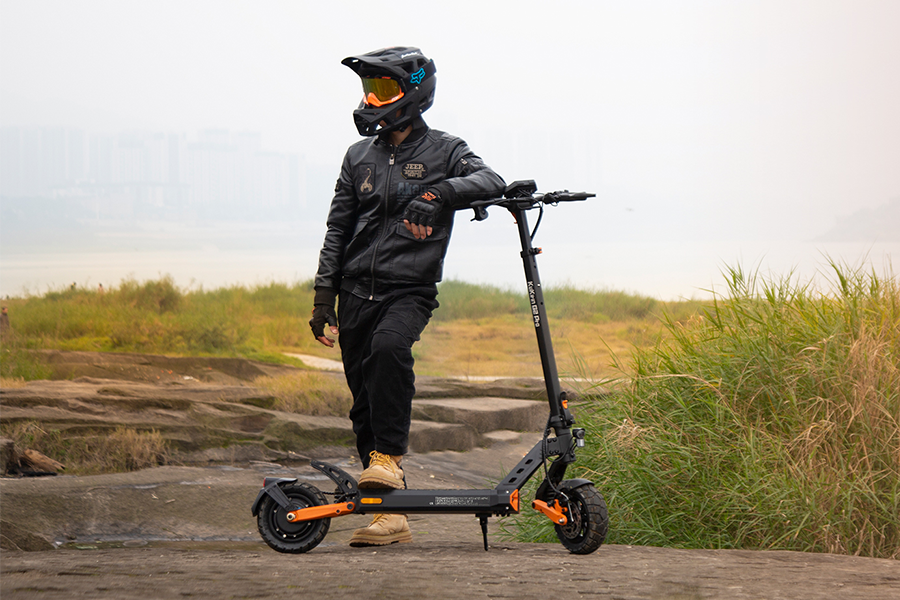


Electric scooters are often celebrated as a clean, green way to get around. And they are—compared to cars, they produce zero emissions at the point of use and consume far less energy per kilometer.
But there's a part of the story that doesn't get as much attention: what happens to the battery when it reaches the end of its life?
In 2026, battery recycling and sustainability are becoming major topics in the micromobility industry. New regulations are emerging, manufacturers are stepping up, and riders are asking important questions.
In this guide, we'll explore the current state of e-scooter battery recycling, what's changing in 2026, and how you can make a difference.
Why Battery Recycling Matters
Lithium-ion batteries power everything from smartphones to electric cars—and, of course, electric scooters. They're safe, efficient, and reliable when used correctly. But they also contain valuable materials and require careful handling at end of life.
The Environmental Challenge
-
Resource extraction: Lithium, cobalt, and nickel are mined from the earth, often with significant environmental and social costs.
-
Landfill risk: If batteries end up in landfill, they can leak hazardous chemicals into soil and water.
-
Fire hazard: Lithium batteries can catch fire if damaged or improperly disposed of. This is a real risk in waste facilities.
The Opportunity
-
Recoverable materials: Up to 95% of a lithium battery's materials can be recovered and reused.
-
Circular economy: Recycled materials can be used to make new batteries, reducing the need for virgin mining.
-
Energy savings: Recycling consumes less energy than extracting and processing raw materials.
Recycling isn't just about waste disposal—it's about creating a more sustainable, circular system.
How E-Scooter Batteries Are Recycled
The recycling process varies by facility and battery type, but generally involves several stages:
1. Collection and Sorting
Batteries are collected from manufacturers, retailers, or designated drop-off points. They're sorted by chemistry and condition.
2. Discharging and Dismantling
Batteries are fully discharged to eliminate residual energy, then dismantled. Components like the casing, wiring, and circuit boards are separated.
3. Shredding and Separation
The battery cells are shredded into small pieces. Materials are separated using magnets, density separation, and other techniques.
4. Material Recovery
-
Metals: Copper, aluminum, and steel are recovered and sold to smelters.
-
Cathode materials: Lithium, cobalt, nickel, and manganese are recovered through hydrometallurgical processes.
-
Plastics: Separated and recycled where possible.
5. Reintroduction into the Supply Chain
Recovered materials are sold back to battery manufacturers to produce new cells. This closes the loop and reduces reliance on virgin materials.
Regulations & Trends in 2026
The regulatory landscape for battery recycling is evolving rapidly—especially in Europe.
EU Battery Regulation
The EU's new Battery Regulation (which replaced the older Battery Directive) introduces stricter requirements for:
-
Collection targets: Higher targets for portable battery collection.
-
Recycling efficiency: Minimum recycling efficiency rates for lithium batteries.
-
Carbon footprint: Requirements to disclose the carbon footprint of batteries.
-
Recycled content: Mandatory minimum levels of recycled materials in new batteries.
-
Extended producer responsibility: Manufacturers are responsible for the entire lifecycle of their batteries.
These regulations apply to e-scooter batteries, meaning manufacturers and importers must ensure proper end-of-life handling.
What This Means for Riders
-
More drop-off points: Expect more convenient recycling options.
-
Better labeling: Batteries will be clearer about recycling requirements.
-
Manufacturer programs: Brands will offer take-back schemes.
Industry Trends
-
Second-life applications: Used e-scooter batteries can be repurposed for stationary energy storage.
-
Design for recycling: New batteries are being designed with recyclability in mind.
-
Battery passports: Digital records that track a battery's history and composition.
How Riders Can Make a Difference
You don't need to be a policy expert to contribute to sustainability. Here's what you can do:
1. Extend Your Battery's Life
The most sustainable battery is the one you don't have to replace.
-
Charge correctly: Avoid full discharges; recharge at 20-30%.
-
Store properly: Keep at 30-60% charge in a cool, dry place for long-term storage.
-
Avoid extreme temperatures: Don't charge in freezing conditions or leave in direct sunlight.
-
Use the original charger: Never use a mismatched charger.
2. Recycle Responsibly
When your battery reaches the end of its life:
-
Never throw it in the trash – This is illegal in most places and dangerous.
-
Use manufacturer take-back programs – Many brands, including Kukirin, offer recycling options.
-
Find a local recycling center – Many municipalities accept lithium batteries at designated drop-off points.
-
Retailer drop-off – Some electronics retailers accept batteries for recycling.
3. Choose Quality Products
A well-built e-scooter with a quality battery lasts longer and is more repairable than a cheap alternative. Investing in quality reduces waste over time.
4. Support Sustainable Brands
Look for manufacturers who:
-
Offer battery recycling programs
-
Publish sustainability reports
-
Design products for longevity and repairability

Kukirin's Commitment to Sustainability
At Kukirin, we take our environmental responsibilities seriously. Here's what we're doing:
Quality That Lasts
Our scooters—like the G2 Master and G4—are built with high-quality batteries designed to last 3-5 years or 500-800 charge cycles. Longer-lasting products mean less waste.
Recycling Support
We're working to make battery recycling easier for our customers. Contact our support team for guidance on recycling your Kukirin battery at end of life.
Continuous Improvement
We're committed to staying informed about evolving regulations and best practices in battery sustainability. As the industry advances, we'll continue to improve our products and processes.
Explore Our Collection
For riders who want a durable, long-lasting scooter, browse our full collection. Every Kukirin scooter is designed with quality and longevity in mind.
FAQ – Your E-Scooter Battery Recycling Questions Answered
1. Can I throw my e-scooter battery in the trash?
No. Lithium batteries should never be thrown in regular trash. They can cause fires in waste facilities and leak hazardous materials. Always recycle them properly.
2. How do I recycle my old e-scooter battery?
Options include:
-
Manufacturer take-back programs
-
Local recycling centers that accept lithium batteries
-
Retailer drop-off points
Contact Kukirin Global support for guidance.
3. How long do e-scooter batteries last?
With proper care, a quality lithium battery lasts 3-5 years or 500-800 charge cycles. After that, capacity declines and replacement may be needed.
4. Are e-scooters really eco-friendly?
Yes, compared to cars. E-scooters produce zero emissions at use and consume far less energy. The main environmental impact comes from manufacturing and battery disposal—which is why recycling matters.
5. What is the EU Battery Regulation?
It's a comprehensive set of rules governing battery production, use, and disposal in the EU. It sets targets for collection, recycling efficiency, and recycled content in new batteries.
6. Does Kukirin offer a battery recycling program?
Contact our support team for guidance on recycling your Kukirin battery. We're happy to help direct you to appropriate recycling options.
7. How can I extend my battery's life?
Charge correctly (20-30% recharge), store properly (30-60% charge in cool, dry conditions), avoid extreme temperatures, and use the original charger.
Conclusion – Ride Green, Recycle Right
Electric scooters are part of the solution to urban pollution and congestion. But to truly maximize their environmental benefits, we need to think about the entire lifecycle—including what happens to the battery at the end of its life.
By extending battery life, recycling responsibly, and supporting sustainable brands, riders can make a real difference. And as regulations evolve and technology improves, the future of e-scooter sustainability looks bright.
At Kukirin, we're committed to building quality scooters that last—and to supporting our riders in making sustainable choices.
Ready to ride sustainably?
Browse the full Kukirin collection →
Shop the G2 Master →
Shop the G4 →
